Why Quiet-Flush Toilets Are a Must-Have
After a long day, you finally enjoy the peace of night and drift into a deep sleep. Suddenly, a loud “whoosh” from the toilet startles you awake, your heart racing, leaving you tossing and turning, unable to fall back asleep. Many people are all too familiar with this scenario. Toilet flush noise is a surprisingly overlooked issue that can seriously impact quality of life. It’s not just a household problem—loud flushes can disturb guests in hotels or make public restroom visits uncomfortable. At home, nighttime flushing can wake light sleepers; in hotels, the loud sound disrupts comfort; in public restrooms, it can even be embarrassing. This seemingly minor noise quietly disrupts our daily lives and deserves attention.
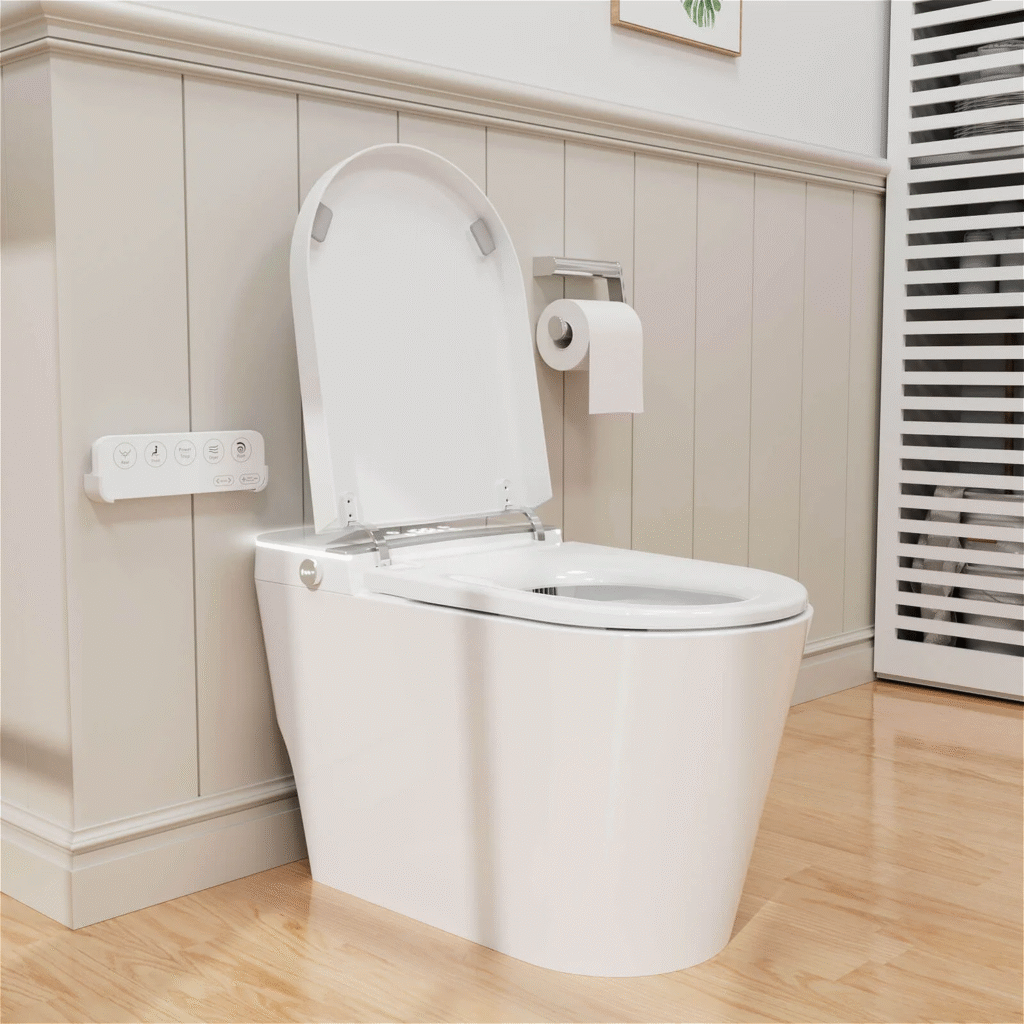
One Flush Can Ruin a Night: The Hidden Dangers of Traditional Toilet Noise
Sleep Disruption
Sleep is vital for health, allowing the body to repair and restore energy. High-decibel toilet flushes act like ruthless sleep killers, severely affecting sleep quality. When you’re about to drift off or in deep sleep, sudden loud flushes trigger your nervous system, putting your body in a stress response. This can make it hard to fall asleep and wake light sleepers repeatedly.
Chronic sleep disruption from toilet noise can lead to serious health consequences. You may wake up groggy, mentally foggy, and unable to focus. Students may struggle to keep up in class, missing key lessons, while working adults may make mistakes, experience lower productivity, and even see job performance impacted. Long-term sleep deprivation can also weaken immunity, increasing susceptibility to colds, flu, and more serious cardiovascular or endocrine issues.
Emotional Strain
Continuous noise exposure negatively affects mental health, and toilet flush noise is no exception. Persistent noise acts as an invisible stressor, gradually increasing anxiety.
Imagine wanting to relax quietly at home after a busy day, only to be repeatedly interrupted by flushing. Calm emotions instantly turn to irritability. If this continues, it can harm mental health and strain relationships. Family members may snap at minor annoyances, triggering unnecessary conflicts and tension in previously harmonious relationships.
Household Tension
Toilet noise may seem trivial but can spark family conflicts. Nighttime flushing can wake others, particularly light sleepers, children, or elderly family members. Frustration over repeated disturbances can lead to arguments.
For example, a student preparing for exams may be woken by loud toilet flushes, affecting alertness and learning. Conflicts may arise between parents and children, disrupting household harmony. Such disputes over toilet noise are more common than one might think, affecting relationships and the overall home environment.
Quiet Flush Toilets: A Small Upgrade with Big Benefits
Nighttime Peacekeeper
Quiet-flush toilets act as guardians of nighttime tranquility, reducing noise and creating a peaceful sleep environment. Advanced design and technology—such as siphon-based systems—allow water to flow smoothly, minimizing disruptive sounds.
To compare: traditional toilets often flush at 60–70 decibels, equivalent to busy street traffic, while quiet-flush models operate around 40 decibels, similar to a library conversation. This means you can use the toilet at night without waking others or disrupting your own sleep.
Enhanced Comfort
Quiet-flush toilets also upgrade comfort in water efficiency, cleanliness, and design. Many models feature smart sensors to adjust flush volume based on use—less water for urination, more for bowel movements—saving water without compromising cleanliness.
High-quality ceramic surfaces resist stains, making cleaning easy, while advanced flush designs ensure thorough washing, reducing bacterial buildup. Design options range from minimalist modern to classic elegance, combining practicality with bathroom aesthetics.
Eco-Friendly Choice
Water conservation is critical, and quiet-flush toilets support environmental goals. Advanced flush technology minimizes water usage while maintaining effectiveness. Additionally, quieter operation reduces indoor noise pollution, benefiting both humans and urban wildlife.
Choosing the Right Quiet-Flush Toilet
Flush Mechanism Matters
The flush type greatly affects noise levels. Siphon-flush toilets typically offer quieter operation, using S- or U-shaped pipes to create a smooth, vortex-like flow that reduces noise and prevents odor. Direct-flush toilets rely on stronger water impact, which clears waste efficiently but produces louder sounds.
Materials and Technology
High-quality ceramic, multi-layer glazes, and self-cleaning or nano coatings improve durability, cleanliness, and reduce noise. Some models incorporate internal soundproofing and intelligent flush sensors for quieter, more convenient use.
Brand and Reputation
Well-known brands with good reviews often provide reliable, high-performance quiet-flush toilets. Checking user feedback, professional reviews, and expert recommendations ensures you select a product that meets your needs.
Say Goodbye to Noise, Embrace Quiet Living
Toilet flush noise may be small, but its impact on life quality is significant—from sleep disruption and emotional stress to family tension. Quiet-flush toilets offer peace, comfort, and eco-friendly benefits. When selecting a model, consider flush type, materials, technology, and brand reputation to find the best fit. Upgrade to a quiet-flush toilet and enjoy a more peaceful, comfortable, and harmonious home environment.